
info@luxuryindia.in
+91-9810681725
info@luxuryindia.in
+91-9810681725
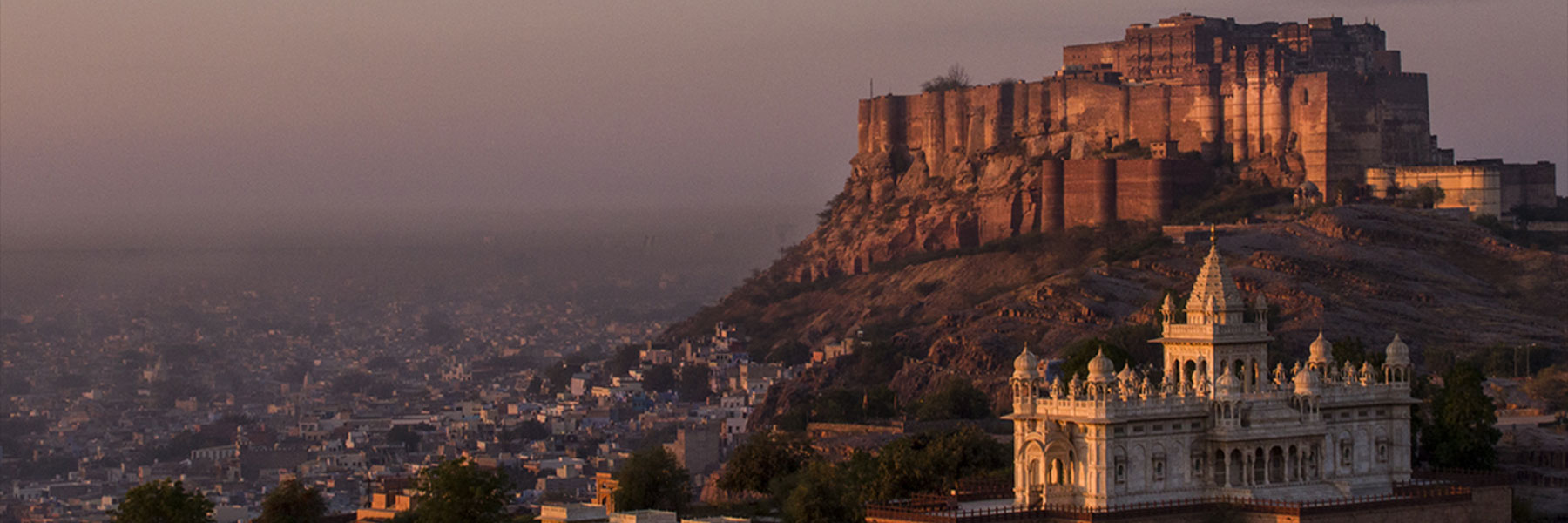
Painted Palaces, Culture, Royalty, Taj Mahal & Stories - Visit some of the popular hightlights - Delhi - Udaipur - Ranakpur - Jodhpur - Jaipur - Agra - Delhi. Visit Popular Tourist Highlights
HIGHLIGHTS/ HACK:
PAINTED PALACES, LAKE CITY , BOAT RIDE
TAJ MAHAL – VISIT OF MASTER PIECE & ART
OLD DELHI & RICKSHAW RIDE
ELEHPHANT RIDE & VISIT OF PINK CITY
ROYALTY & HERITAGE
Arrival assistance at Udaipur airport and transfer to the hotel.
The city of Dawn, Udaipur is a lovely land around the azure lake, hemmed in by the lush hills of the ARAVALLIS. A vision in white drenched in romance and beauty, Udaipur is a fascinating blend of sights, sound and experiences and inspiration for the imagination of poets, painters and writers. Its kaleidoscope of fairy-tale palaces, lakes, temples, gardens and narrow lanes strewn with stalls, carry the flavour of a heroic past, epitomizing valour and chivalry. Their reflection in the placid waters of the LAKE PICHOLA is an enticing sight. Udaipur is the jewel of MEWAR - a kingdom ruled by the Sisodia dynasty for 1200 Years.
Proceed for Evening Motor launch cruise on the placid waters of Lake Pichola. From the boat you will be able to view the city of Udaipur as it rises majestically above the lake in the middle of the Rajasthan desert. Also visit the Jag Mandir Palace - the other island palace in the middle of the lake. Spend some time at the Jag Mandir Palace.
Overnight stay at the hotel
Proceed for sightseeing tour of Udaipur, stopping first at City Palace.
City Palace - Standing on the east bank of Lake Pichola, is a massive series of palaces built at different times from 1559 A.D. The balconies of the palace provide panoramic views of "Jag Niwas" (the world wide famous Lake palace hotel), Jag Mandir on one side and on the other the city of Udaipur. Its main entrance is through the triple-arched gate - the Tripolia, built in 1725. The way now leads to a series of courtyards, overlapping parations, terraces, corridors and gardens - a harmonic profusion hard to describe. There is a Suraj Gokhda, where the maharanas of Mewar presented themselves in the times of trouble to the people to restore confidence. The Mor-chowk (Peacock courtyard), gets its name from the vivid mosaics in glass decorating its walls. The chini chitrashala is noteworthy while a series of wall paintings of KRISHNA are on display in Bhim Vilas. There are numerous other palaces such as Dilkhush Mahal, Sheesh Mahal, Moti Mahal and Krishna villas - in memory of a princess of striking beauty who poisoned herself to avert a bloody battle for her hand by rival princess. Now the palace contains many antique articles, paintings, decorative furniture and utensils and attracts thousands of visitors every day.
Here you will marvel at rooms with mirrored walls and ivory doors, colored glass windows and inlaid marble balconies and the Peacock Courtyard.
Saheliyon Ki Bari - Maharana Sangram singh builds this in the mid 18th century. The 'garden of the maidens' brings to mind the lifestyle of the ladies of the court. The delightful gardens appear discreet and in impeccable taste. There are four pools with dainty kiosks, and all around are flowerbeds, lawns, pools and fountains protected by a series of walls and shady trees. The Foundation of the Sahelion Ki Bari functions solely by water pressure and no pumps are used. The garden has a lotus pool, a sitting room decorated with paintings and glass mosaics. The whole ambiences are flavored by the nostalgia of those beautiful bells enjoying themselves in a lavish aura.
Jagdish Temple - The temple is situated in the middle of the city. The temple of Jagannath Rai, now called Jagdish-ji, is a major monument and should be seen carefully. Raised on a tall terrace and completed in 1651, it is a tribute alike to the tenacity of its builders and the resilience of the art tradition it represents. It attaches a double storeyed Mandapa (hall) to a double - storied, saandhara (that having a covered ambulatory) sanctum. The mandapa has another storey tucked within its pyramidal samavarna (bell - roof) while the hollow clustered spire over the sanctum contains two more, non - functional stories. Lanes taking off from many of the sheharpanah (city wall) converge on the Jagdish Temple and walking leisurely through them brings you face with the many layers of the cultural palimpsest that Udaipur is. It was built by Maharana Jagat Singh Ist in 1651 A.D.
overnight stay at the hotel
Breakfast will be at the hotel.
Start for Jodhpur visiting Ranakpur en-route.
En-route, visit the Ranakpur Temples, dating back to the 15th century. 200 pillars, none of which are alike, support its 29 halls. The Temple abounds with intricate friezes and sculptures. Includes visits to two more Jain temples and the Temple of the Sun God with its erotic sculptures.
Reach and check in at hotel.
Set at the edge of the Thar Desert, the imperial city of Jodhpur echoes with tales of antiquity in the emptiness of the desert. Once the capital of the Marwar state, it was founded in 1459 AD by Rao Jodha-chief of the Rathore clan of Rajputs who claimed to be descendants of Rama - the epic hero of the Ramayana. The massive 15th century AD Mehrangarh Fort looms on the top of a rocky hill, soaring 125 Mts. Above the plains. A high wall -10 km long with 8 gates and innumerable bastions encompasses the city. Visit museum in Umaid Bhawan Palace: The Umaid Bhawan Palace was built with the purpose of giving employment to the people of Jodhpur during a long drawn famine. The royal family of Jodhpur still lives in a part of the palace. Another part of the palace houses a well-maintained museum, displaying an amazing array of items belonging to the Maharaja and the royal family - weapons, antiques & fascinating clocks, crockery and trophies.
Overnight stay at the hotel
Breakfast will be at the hotel.
Enjoy the sightseeing tour of the Jodhpur city.
Overnight stay at the hotel
Post breakfast drive to Jaipur.
Reach and check in at the hotel, the rest of the time will be spent at leisure Jaipur is the capital of the state of Rajasthan a romantic realm of resplendent palaces, mighty fortresses and regal Maharajahs that lies in the western deserts and is an utterly unique part of India. Proudly belonging to the KSHATRIYA warrior caste and fiercely independent, the Rajput princes made fearsome foes. However, many of them realized that to maintain their wealth and authority locally, it was expedient to proclaim allegiance to the central power. Thus, many enjoyed a privileged position under the Mughal emperors and also the British Raj that followed.
The bustling Rajasthan capital of Jaipur takes its name from its venerated founder Jai Singh II, who was given the title Sawai Maharaja by the Mughal. Literally translated this would mean 'one and a quarter', suggesting that the Mughal thought this emperor to be more valuable than just 'one'. Jaipur is known as the 'Pink City' on account of the distinctive color of its buildings. This did not, however, form part of the original plan, but dates back to 1856, when the city was given a wash of pink in honor of a State Visit from Prince Albert.
This evening, visit the Birla Temple to learn more about the fascinating religious life of Jaipur. The marble structure, built as recently as 1985, houses ornate statues including one of Lakshmi (goddess of Wealth and Beauty) and Narayan dressed in gaudy robes, representing a Hindu vision of heavenly luxury. Carvings in the temple and on pillars supporting the covered walkways include images of the Hindu pantheon, as well as Jesus, the Blessed Virgin Mary and St Francis of Assisi. Your visit will coincide with the AARTI Ceremony, which involves oil lamps being lit and waved, in order to awake and invoke the deity.
Overnight stay at the hotel
Proceed for a morning excursion to Amber Fort after breakfast. Elephant ride ascent to the fort.
Amber Fort Palace: Amber is the classic romantic Rajasthani fort palace. Its construction was started by Man Singh I in 1592, and completed by his descendent Jai Singh I. Its forbidding exterior belies an inner paradise where a beautiful fusion of Mughal and Hindu styles finds its ultimate expression.
Continue sightseeing.
City Palace: A delightful blend of Mughal and traditional Rajasthani architecture, the City Palace sprawls over one-seventh of the area in the walled city. It houses the Chandra Mahal, Shri Govind Dev Temple and the City Palace Museum.
Jantar Mantar: This is the largest and the best preserved of the five observatories built by Jai Singh II in different parts of the country. This observatory consisting of outsized astronomical instruments is still in use.
Hawa Mahal: The ornamental facade of this "Palace of Winds" is a prominent landmark in Jaipur. It is a five-storey structure of sandstone-plastered pink encrusted with fine trelliswork and elaborate balconies. The palace has 953 niches and windows. Built in 1799 by Pratap Singh, the Mahal was a royal grandstand for the palace women.
This afternoon is free for you to relax shop or explore independently. Shopping is superb in Jaipur, particularly for gold and silver jewelry, pottery, tie-dye materials, silk, saris, wooden handicrafts and carpets.
Overnight stay at the hotel
Post breakfast and drive to Agra. En-route visit Fatehpur Sikri
Fatehpur Sikri is 37 km west of Agra. Jajal-ud-din-Muhammad Akbar, Humanyun's son, accessed the throne at the tender age of 14. While hunting around Sikri his curiosity was aroused by the songs of some minstrels about the celebrated Khwaja -Mu'inu'd-din Chisti, the founder of the Chisti order of SUFIS. Akbar, who was without a male heir heard about Saint Salim Chisti and visited him in the year1568,. The saint blessed him with 3 sons and in gratitude Akbar ordered the great mosque of Fatehpur Sikri built under his supervision. As a mark of respect to the saint, Akbar shifted his capital to Fatehpur Sikri and built various secular buildings like the Diwan -I-Am, Diwan-I-Khas, Jodhabai palace, Birbal's house, Marian's house and the Panchmahal.
Continue drive to Agra. Reach Agra and transfer to hotel.
AGRA: Two great Mughal monarchs, Akbar and Shahjehan, transformed the little village of Agra into a befitting second capital of the Mughal Empire - giving it the name Dar-ul-Khilafat {seat of the Emperor}. Today a visitor to Agra is caught up in a world of contrasting edifices, of red sandstone and white marble, narrow galleys and quaint buggies, and that irresistible charm that this favorite city of the Mughals still retains. It is not surprising, that modern Agra still reflects its Mughal heritage most conspicuously. A walk down the narrow bustling streets of the city will introduce the visitor to the wafting aroma of Mughlai cuisine.
Evening visit of Mehtab Bagh
Overnight stay at the hotel
Proceed for SUNRISE - visit of the monument of love – TAJ MAHAL.
Return to the hotel for a leisurely breakfast. Proceed for day sightseeing of Agra.